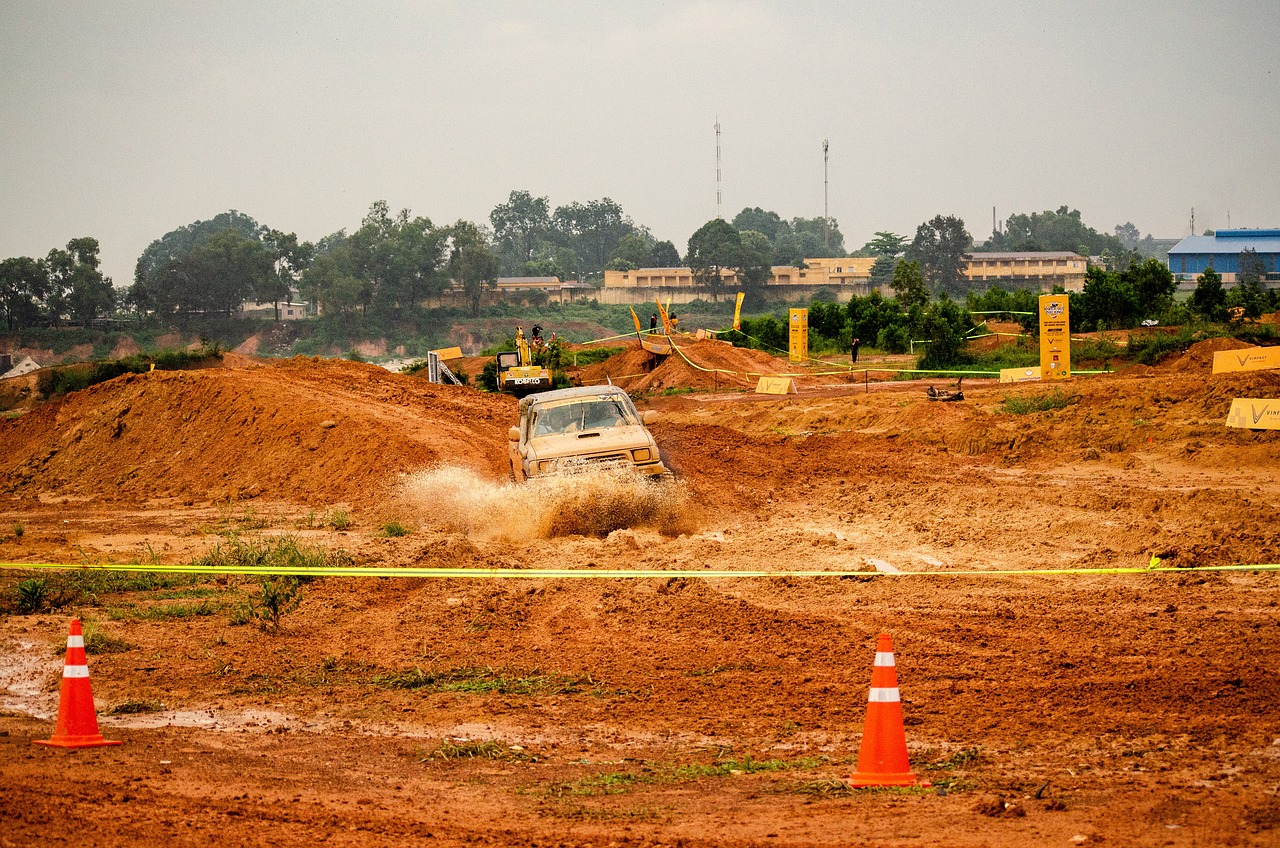
Navigating rough terrain in and around Brownsville, Texas requires reliable off-road vehicles. This guide delves into essential repair techniques tailored to the unique challenges faced by drivers in this region. From identifying common issues specific to off-road driving in Brownsville to mastering advanced troubleshooting methods, you’ll gain the knowledge needed to keep your vehicle on track.
Inspection Brownsville TX: Building Robust Off-Road Machines
In the rugged landscapes surrounding Brownsville, Texas, reliable off-road vehicles are not just a luxury—they’re a necessity. Whether tackling dusty trails, navigating muddy rivers, or exploring remote areas, proper inspection and maintenance are key to ensuring safety and preventing breakdowns. This article explores the art of off-road vehicle repair in Brownsville, TX, providing valuable insights for both seasoned adventurers and novice drivers.
Understanding the Unique Challenges of Off-Road Driving in Brownsville
Brownsville’s diverse terrain presents specific challenges for vehicles:
- Extreme Weather Conditions: Rapid temperature fluctuations and frequent rainfall can take a toll on components like tires, suspension, and electrical systems.
- Rugged Terrain: From rocky trails to sandy washes, the varied landscape demands robust engineering and careful tire selection.
- Remote Locations: Many off-road destinations in Brownsville are remote, making regular maintenance and parts replacement more challenging.
Essential Off-Road Vehicle Inspection Checklist for Brownsville, TX Drivers
A thorough pre-trip inspection is crucial to safe off-roading. Here’s a comprehensive checklist tailored for vehicles destined for Brownsville’s trails:
1. Tires & Wheels:
- Tire Pressure: Check pressures at least once a week and before long trips. Adjust according to temperature and terrain.
- Tread Wear: Inspect tread depth, looking for uneven wear patterns indicating alignment issues or potential tire replacement.
- Wheel Damage: Examine wheels for cracks, dents, or damage that could compromise structural integrity.
2. Suspension & Exhaust System:
- Suspension Components: Check for worn shocks, springs, and control arms. Look for leaks in the system and ensure all bolts are secure.
- Exhaust Leaks: Inspect exhaust pipes and joints for cracks or damage. A leak can lead to power loss and potential safety hazards.
- Underbody Damage: Carefully examine the undercarriage for loose components, rust, and signs of impact damage from uneven terrain.
3. Fluids & Battery:
- Engine Oil & Filter: Change oil and filter regularly (as recommended by the manufacturer). Contaminated oil can lead to engine damage.
- Coolant Level: Check coolant levels and top up as needed. In hot Brownsville summers, overheating can be a significant concern.
- Battery Condition: Inspect battery terminals for corrosion. Ensure connections are tight and clean. A weak battery can leave you stranded.
4. Electrical System & Lighting:
- Lights & Signals: Test all headlights, taillights, turn signals, and emergency lights. Replace any burnt-out bulbs promptly.
- Wiring Integrity: Check for exposed wires or damaged connections within the electrical system.
5. Brakes:
- Braking Performance: Test brakes thoroughly before embarking on off-road adventures. Any unusual noises or pulsing in the pedals requires immediate attention.
- Master Cylinder Fluid: Ensure the master cylinder fluid level is correct and in good condition.
Mastering Common Off-Road Vehicle Repairs in Brownsville, TX
While regular inspections are crucial, knowing how to address common off-road repairs can be a lifesaver:
1. Tire Puncture Repair: Carrying a repair kit with tire iron, a pump, and patches is essential. Learn the basics of repairing punctures before setting out.
2. Change a Spare Tire: Practice changing your spare tire regularly. It’s crucial to be prepared if you find yourself stranded on a remote trail.
3. Basic Electrical Troubleshooting: Familiarize yourself with basic electrical components and how to diagnose problems like faulty switches or blown fuses.
4. Leak Detection & Repair: Learn to identify leaks in the coolant, oil, or brake fluid systems and have the necessary tools to make temporary repairs until you can reach a service center.
5. Basic Suspension Service: Learning to adjust shocks and springs for optimal performance (and comfort) can enhance your off-road experience.
Advanced Off-Road Troubleshooting: Going Beyond the Basics
For the more adventurous driver, advanced off-road troubleshooting techniques can elevate your capabilities:
1. Winch Setup & Usage: Mastering the art of using a winch for recovery or assisting other vehicles is invaluable in remote areas. Practice setting up and deploying it safely.
2. Recovery Techniques: Learn different recovery methods such as using tow ropes, chains, or air bags to extract your vehicle from challenging situations.
3. Off-Road Navigation: Mastering GPS navigation, compass use, and map reading skills can help you navigate unfamiliar trails and avoid getting lost.
4. Fueling in Remote Locations: Knowing how to safely store and transport fuel in remote areas is essential if refueling options are limited.
5. First Aid for Vehicles: Assemble a well-stocked first aid kit designed specifically for off-road vehicles, including tools for addressing minor damage or mechanical failures.
Conclusion: Safely Conquering Brownsville’s Trails
Brownsville, TX offers an exciting array of off-road adventures, but navigating its diverse terrain requires preparation and knowledge. By adopting a proactive approach to vehicle inspection, learning essential repair techniques, and equipping yourself with advanced skills, you can confidently conquer the region’s rugged landscapes. Remember: safety is paramount. Always plan your trips carefully, inform someone of your itinerary, and ensure your vehicle is in peak condition before setting out. With the right preparation and a healthy dose of caution, Brownsville’s off-road trails await!