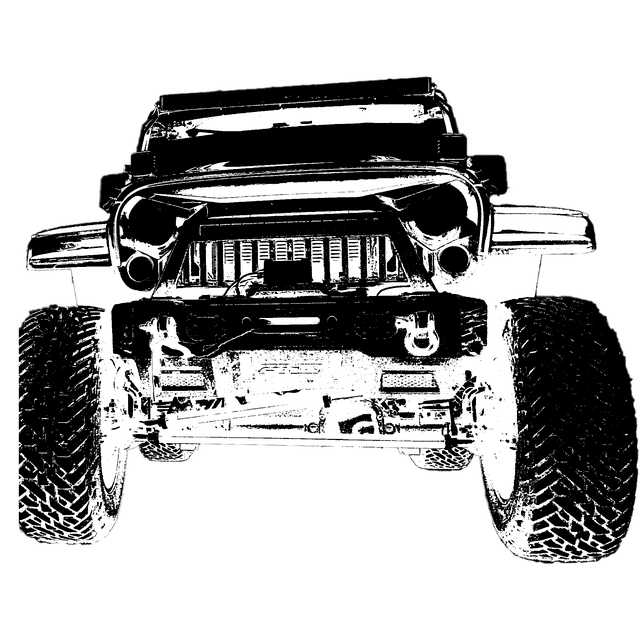
Brownsville, Texas, residents and businesses relying on heavy-duty off-road equipment face unique challenges from wear and tear. Regular, professional inspections are crucial for safety, regulatory compliance, and equipment longevity. This article delves into the importance of equipment inspections in Brownsville, covering types of inspections, benefits, regulations, and choosing a reliable inspection service provider.
Understanding Heavy-Duty Off-Road Equipment Inspection in Brownsville, TX
In the bustling border city of Brownsville, Texas, where industry and agriculture thrive, heavy-duty off-road equipment plays a vital role. From construction sites to farming operations, these powerful machines work tirelessly day and night. However, their relentless operation can lead to significant wear and tear, making regular inspections paramount. This comprehensive guide explores the intricacies of heavy-duty off-road equipment inspection in Brownsville, TX, ensuring operators stay ahead of potential issues and maintain compliance with safety regulations.
Why Are Equipment Inspections Essential?
Regular inspections serve as a proactive measure to:
-
Identify Safety Hazards: Hidden dangers like mechanical failures or loose parts can cause serious accidents. Inspections uncover these issues before they escalate, protecting operators, workers, and the public.
-
Enhance Equipment Lifespan: Regular maintenance identifies wear points, enabling timely replacement or repair. This extends the life of expensive machinery, reducing downtime and maintenance costs.
-
Ensure Regulatory Compliance: Brownsville, like all cities, has safety regulations governing heavy equipment operation. Inspections verify compliance, avoiding fines and legal complications.
-
Improve Operational Efficiency: Well-maintained equipment operates more efficiently, completing tasks faster and with greater accuracy. This translates to increased productivity for businesses relying on these machines.
Types of Heavy-Duty Off-Road Equipment Inspections
Several types of inspections are crucial depending on the type of equipment and its intended use:
Pre-Operational Safety Checks:
Conducted before each shift or work day, these quick checks ensure equipment is in safe operating condition. They include verifying fuel levels, fluid levels, tire pressure, and basic functionality.
Periodic Maintenance Inspections:
Scheduled at specific intervals (e.g., monthly, quarterly), these inspections involve more thorough examinations than pre-operational checks. They assess components like engines, transmissions, brakes, and hydraulic systems for signs of wear or damage.
Comprehensive Annual Inspections:
Required by law in many jurisdictions, annual inspections are the most extensive. They scrutinize every aspect of the equipment, including structural integrity, electrical systems, and safety features. These inspections often involve issuing a certificate upon successful completion.
Post-Accident/Incident Inspections:
Following any accident or incident involving heavy equipment, a thorough inspection is mandatory to identify contributing factors and ensure similar incidents don’t recur.
Regulations Governing Equipment Inspection in Brownsville, TX
Brownsville, like all cities within Texas, adheres to state regulations regarding heavy-duty equipment inspections. The Texas Department of Licensing and Regulation (TDLR) plays a pivotal role in enforcing safety standards for equipment operation and maintenance. Specific regulations cover:
-
Licensing: Operators must possess valid licenses for specific equipment types.
-
Inspection Requirements: Enforcement of periodic and annual inspection schedules, often requiring certificates of compliance.
-
Safety Standards: Guidelines governing safe operating practices, including proper training and personal protective equipment (PPE) use.
Choosing a Reliable Inspection Service Provider in Brownsville
Selecting the right inspection service is crucial for ensuring accuracy, timeliness, and peace of mind. Consider these key factors:
-
Experience and Expertise: Look for providers specializing in heavy-duty off-road equipment inspections with experienced technicians familiar with various machine types.
-
Accreditation and Certifications: Ensure the inspection agency holds relevant accreditations or certifications from recognized organizations like the National Institute for Occupational Safety and Health (NIOSH) or industry-specific bodies.
-
Reputation: Online reviews, referrals from industry peers, and local business associations can provide valuable insights into a provider’s reliability and service quality.
-
Cost and Value: While cost is important, consider the value offered, including turnaround times, comprehensive reporting, and after-hours emergency services if needed.
Conclusion
Heavy-duty off-road equipment plays a critical role in Brownsville’s economic engine, from construction projects to agricultural operations. Ensuring these machines operate safely and efficiently requires consistent attention and professional inspections. By understanding the various inspection types, adhering to regulations, and selecting a reputable service provider, businesses and operators can maximize equipment lifespan, minimize safety risks, and maintain compliance with Brownsville’s stringent standards.