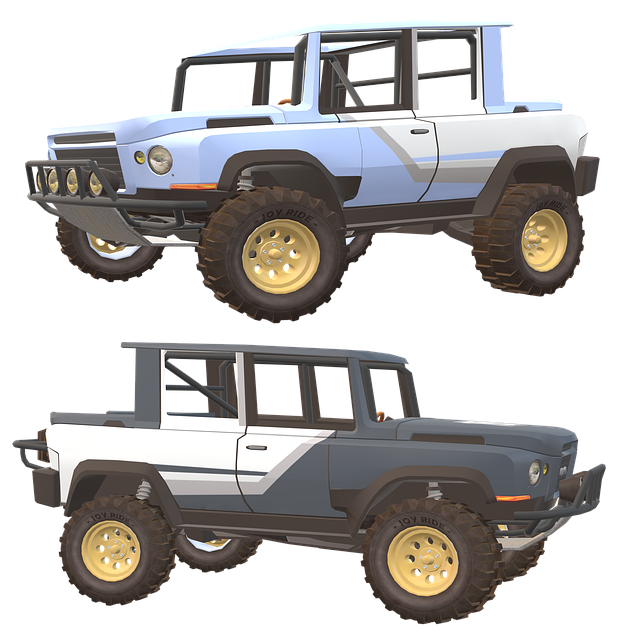
In this comprehensive guide, we delve into the crucial aspect of advanced truck suspension systems inspection in Brownsville, TX. We explore the importance of regular checks, the key components to evaluate, and best practices for maintaining peak performance and safety on the road. Whether you’re a commercial fleet manager or an individual vehicle owner, understanding these systems is essential for smooth operations and minimizing risks.
Understanding Advanced Truck Suspension Systems in Brownsville, TX
The Significance of Suspension Systems
Advanced truck suspension systems play a vital role in ensuring both the safety and efficiency of your vehicle. In Brownsville, TX, where diverse road conditions can range from urban congestion to rural highways, a well-maintained suspension system is critical for optimal performance and driver comfort. These systems support the weight of the truck, absorb shocks and vibrations, and maintain proper tire contact with the road surface, enabling better control and handling.
Key Components of Advanced Truck Suspension Systems
Modern truck suspension systems are designed to be robust and adaptable, incorporating several key components:
-
Springs: These are responsible for supporting the vehicle weight and absorbing energy from road irregularities. There are various types, including leaf springs, coil springs, and air springs, each offering unique advantages.
-
Shock Absorbers/Struts: Shock absorbers and struts control the up-and-down movement of wheels, converting kinetic energy into heat, which helps to smooth out bumps and maintain vehicle stability.
-
Control Arms: Control arms, or A-arms, connect the suspension to the wheel and provide steering support. They ensure that the wheels remain aligned properly while allowing for up-and-down movement.
-
Ball Joints and Tie Rods: These components facilitate steering by connecting control arms to the steering knuckle, enabling smooth and accurate turns.
-
Stabilizer Bars (Anti-Roll Bars): Stabilizer bars help to minimize body roll during cornering, improving vehicle stability and handling, especially at high speeds.
The Importance of Regular Inspection in Brownsville, TX
Why Choose a Professional Inspection?
While periodic checks by the vehicle owner are essential, a thorough inspection by a qualified technician offers several advantages:
-
Safety: Regular suspension inspections can identify potential issues that could compromise the safety of your vehicle and its occupants. Early detection of worn or damaged parts prevents catastrophic failures on the road.
-
Performance Optimization: Suspension systems significantly impact handling, ride quality, and fuel efficiency. A professional inspection ensures that your truck’s suspension is fine-tuned for optimal performance.
-
Longevity: By identifying and addressing problems promptly, regular inspections extend the lifespan of your truck’s suspension components, reducing the need for costly repairs.
-
Compliance with Regulations: In many industries, including trucking, there are regulations and safety standards that mandate regular vehicle inspections. Failure to comply can result in fines or legal issues.
What Should Be Inspected During a Brownsville, TX Truck Suspension Inspection?
A comprehensive inspection of an advanced truck suspension system involves several critical checks:
-
Visual Examination: Start with a thorough visual inspection of all suspension components for signs of damage, corrosion, or wear. Check for cracks in springs, leaks in fluid reservoirs, and proper alignment of wheels.
-
Tire Condition: Inspect the tires for tread depth, sidewall damage, and proper inflation pressure. Uneven tire wear can indicate alignment issues or problems with the suspension.
-
Spring Compression and Rebound: Use a spring tester to check the compression and rebound characteristics of springs. This helps identify any loss of performance due to spring fatigue or damage.
-
Shock Absorber/Strut Functionality: Inspect shock absorbers for leaks, corrosion, and proper extension and retraction during up-and-down movements. Check for excessive bumping or handling issues that could point to defective struts.
-
Control Arm and Ball Joint Wear: Examine control arms and ball joints for signs of wear, rust, or damage. Excessive play or misalignment can lead to steering problems and reduced stability.
-
Steering and Alignment: Evaluate the steering system for any leaks, corrosion, or damage. Ensure that the wheel alignment is correct, as misaligned wheels can cause uneven tire wear and handling issues.
Common Suspension Issues in Brownsville, TX and How to Address Them
Identifying and Resolving Problems Early
Some common suspension-related problems observed in Brownsville, TX vehicles include:
-
Uneven Tire Wear: This could be an indication of misaligned wheels or a problem with the vehicle’s alignment. A wheel alignment service can correct this issue.
-
Swaying or Body Roll: If your truck exhibits excessive swaying or body roll during cornering, it may be due to worn control arms, ball joints, or stabilizer bars. Replacing these components is often recommended.
-
Noisy Suspension: Squeaking, clunking, or banging noises from the suspension could signal worn bushings, bearings, or other parts. A technician can diagnose and replace these components during an inspection.
-
Leaky Fluids: Inspect all fluid reservoirs for leaks, particularly in shock absorbers and struts. Leaks can lead to reduced damping performance and may indicate a need for repair or replacement.
When to Seek Professional Assistance
While some basic checks and maintenance tasks can be performed by vehicle owners, complex suspension issues often require the expertise of a qualified mechanic. If you encounter any of the following, consult a professional:
-
Severe or Uncontrollable Handling Issues: Problems that make your truck feel unstable, pull to one side, or exhibit sudden jolts during driving should be addressed immediately by a suspension specialist.
-
Suspension Component Damage: In cases of accidents, severe road debris impact, or evidence of structural damage, a thorough inspection is crucial to ensure the safety and integrity of the suspension system.
-
Steering Issues: If steering becomes difficult or unpredictable, it could point to problems with power steering components or alignment. A professional can diagnose and resolve these issues.
Frequently Asked Questions (FAQs)
Q: How often should I get my truck’s suspension inspected?
A: It’s recommended to have a thorough suspension inspection performed at least annually, or more frequently if you use your truck for heavy-duty applications or drive on rough terrain. Regular inspections are key to maintaining optimal performance and safety.
Q: Can I perform basic suspension checks myself?
A: While some basic visual inspections and fluid level checks can be done by owners, complex diagnostics and repairs should be left to qualified mechanics, especially for advanced suspension systems. They have the tools and training to identify subtle issues.
Q: What are the signs of a bad shock absorber?
A: Shock absorbers in need of replacement may exhibit noticeable leaks, excessive bumping or jarring during driving, reduced ride quality, and handling issues like increased body roll or swaying.
Q: How do I know if my truck needs wheel alignment?
A: Uneven tire wear, pulling to one side while driving straight, irregular steering, and a vehicle that feels unstable at highway speeds are common signs indicating a need for wheel alignment.
Conclusion
Advanced truck suspension systems are complex yet crucial components of modern vehicles, ensuring safety, comfort, and efficiency. Regular inspections in Brownsville, TX, backed by professional expertise, play a pivotal role in maintaining these systems’ integrity. By addressing issues early, vehicle owners can extend the lifespan of their suspensions, enhance performance, and ensure safe operations on the road. Remember, a well-maintained suspension is key to a smoother, more controlled driving experience.